
Ethical Australian clothing brands for women over 50: sorting the genuine from the glossy
Every fashion brand in Australia will tell you they're ethical. The word has been so useful for so long that it's become nearly meaningless without a second look.
If you're over 50, you have a real advantage here: you've been around enough marketing cycles to notice when language does more work than facts. The photography on a brand's website tells you very little. The homepage paragraph about caring deeply for the planet tells you less. What tells you something real is the specifics — who makes the clothes, where, under what conditions, and how the brand behaves when those conditions become inconvenient.
We've been working with the same family workshops in Indonesia and India for over twenty years. That's not a headline we reached for. It's just how Cienna was built, and how it's stayed.
What genuine small batch production looks like
"Small batch" gets used in fashion to mean almost everything. A brand running 10,000 units of one dress in an offshore factory can call it small batch if the alternative was 50,000.
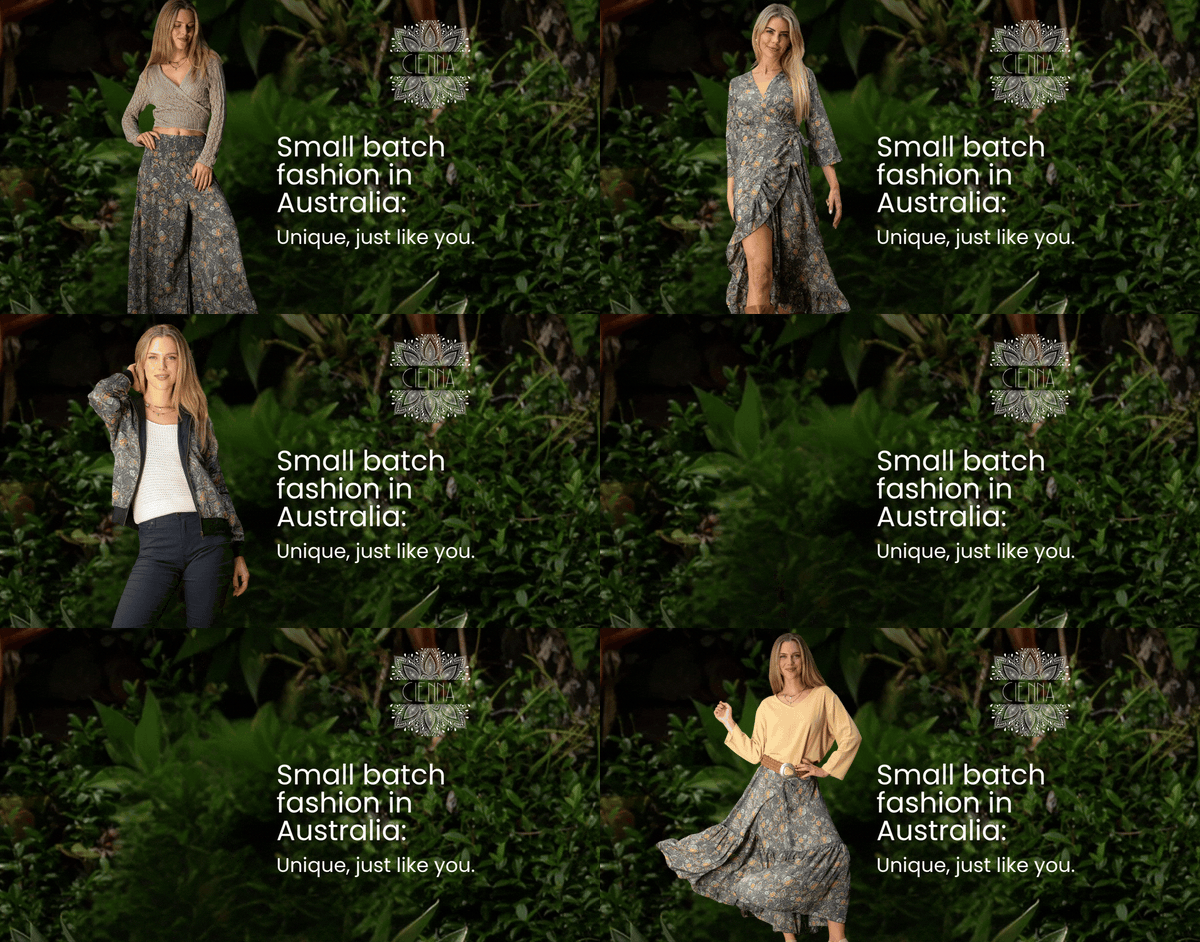
Genuine small batch means limited run sizes — pieces that won't be restocked, not because of clever scarcity marketing, but because the workshop doesn't have capacity to make another thousand. It means Sarah Griffin, Cienna's founder and designer, is deciding what goes into each collection based on what the makers can produce well and what she wants to wear. It means the workshop in Jakarta running the mohair knits and the family in India stitching the silk pieces know the range because they've been doing it long enough to know it.
When a run sells out at Cienna, it's sold out. The piece moves to the archive. A handful get resold occasionally. But the run is done, because that's what small-run production with small family partners actually looks like in practice — constrained capacity, deliberate volume, and no option to simply order more.
For a woman over 50 who has watched "limited edition" get weaponised into a retail tactic, the difference between manufactured scarcity and genuinely limited production is worth knowing. You can tell by whether the brand can tell you who made it. Most can't.
The makers, and the twenty years between them
In 2006, when Cienna started working with its Indonesian making partners, the arrangement was simple: Sarah designed pieces using a mohair-acrylic blend, the family workshops in Indonesian villages made them, and the relationship began.
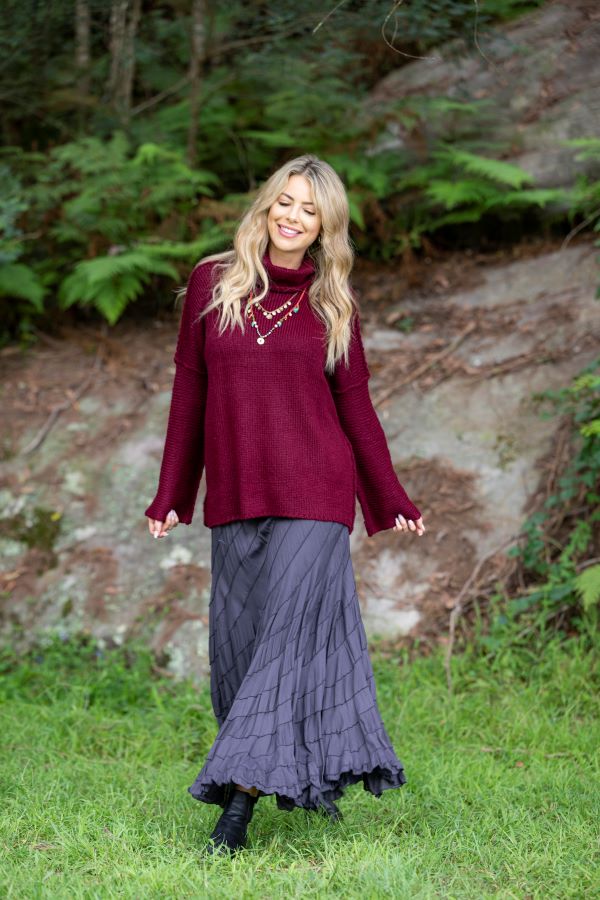
That same relationship has been running for over twenty years. The women in those villages who make the cardigans, ponchos, and jumpers in the Cienna knit range have been making them since the beginning. The silk blend pieces — designed by Sarah in Australia, made in India — follow the same structure: a long-term agreement with makers who understand the product because they've been producing it for years.
Twenty-year relationships with makers are not common in fashion. They require a decision, made early and maintained, not to chase lower costs every time they appear. They require treating your suppliers like partners, not interchangeable vendors. The result tends to be clothing made by people who take it seriously, because they've been taking it seriously for a long time.
The distinction between this and "ethically sourced" as a sentence on a website with no further detail is real. If you want to go deeper on what the language around ethical fashion means and what to hold brands accountable for, this piece on what ethical fashion means when you buy Australian women's clothing is worth reading in full.
Reading the fabric label honestly
One of the clearer places to see a brand's ethics is in how they talk about their materials.
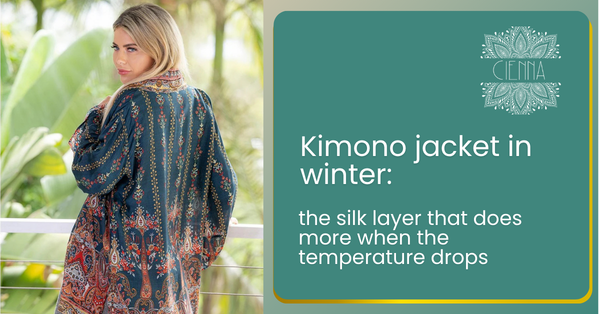
Cienna's silk blend is 30% silk / 70% poly. It has exceptional drape, feels lightweight against the skin, and washes in the machine — which is rare for anything with silk content. It does not breathe well, and we won't tell you it does. If you run warm, pair it with a sleeveless silhouette and treat it as an evening or cool-weather fabric rather than all-day summer wear.
That kind of honesty has a small commercial cost, because a breathability claim would close more sales. But a customer who buys something on a false claim and feels let down doesn't come back. A customer who knows precisely what she's buying, and finds it is exactly what she was told, tends to.
The cotton and viscose pieces in the range have different properties and are described differently. Each fabric gets its own honest summary. No one claim does double duty across the whole range.
For women over 50 who read the label before they buy — because they've learned to — this matters more than it might seem. A brand that will tell you something slightly inconvenient about a product it wants to sell you is telling you something about how it operates overall.
Ethical doesn't have to mean undistinguished
There is a version of ethical fashion built on the premise that caring about production requires sacrificing visual interest. Undyed natural fibres in neutral tones. Shapes designed not to offend. The implicit message that paying more for ethics is its own reward, and that reward comes in the form of clothes that look like they'd rather be furniture.
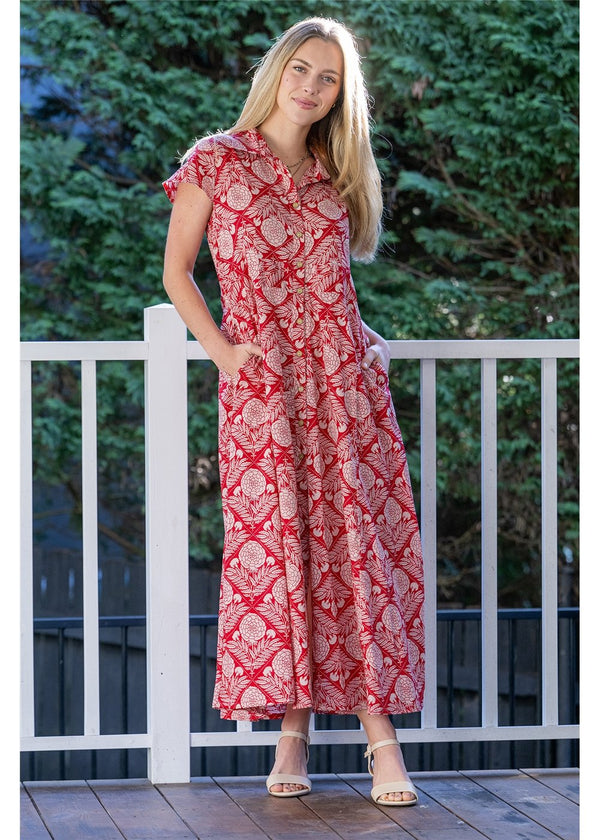
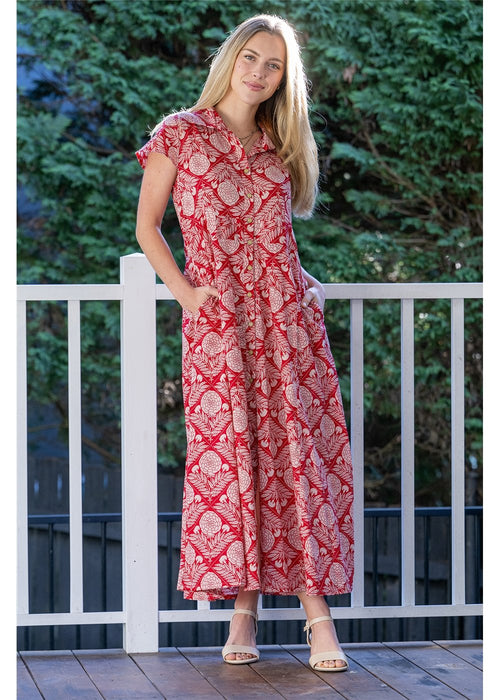
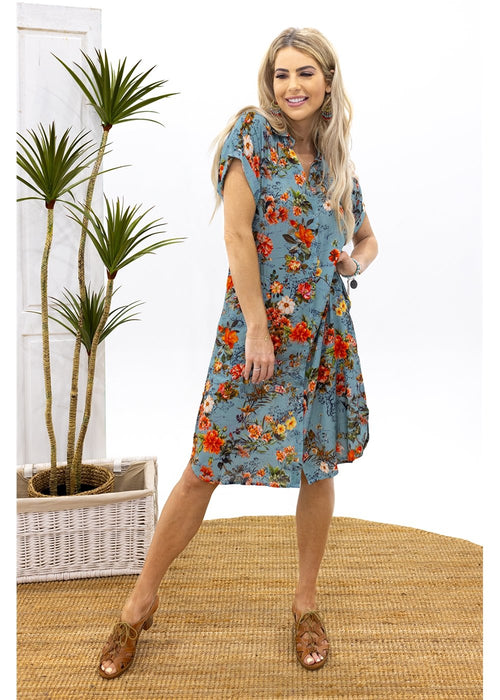
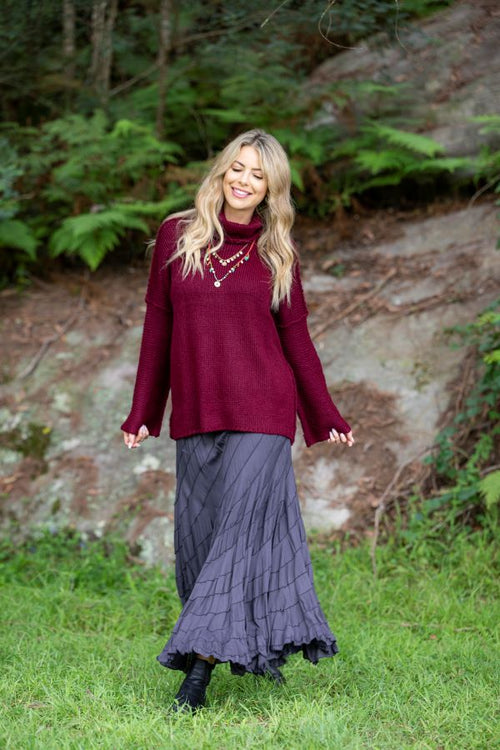
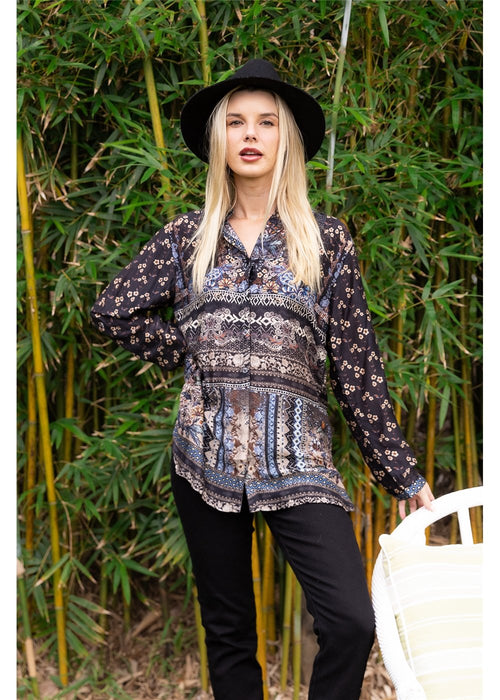
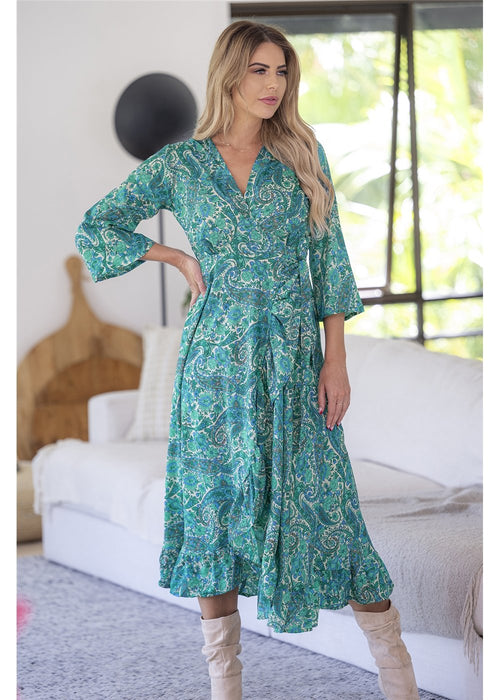
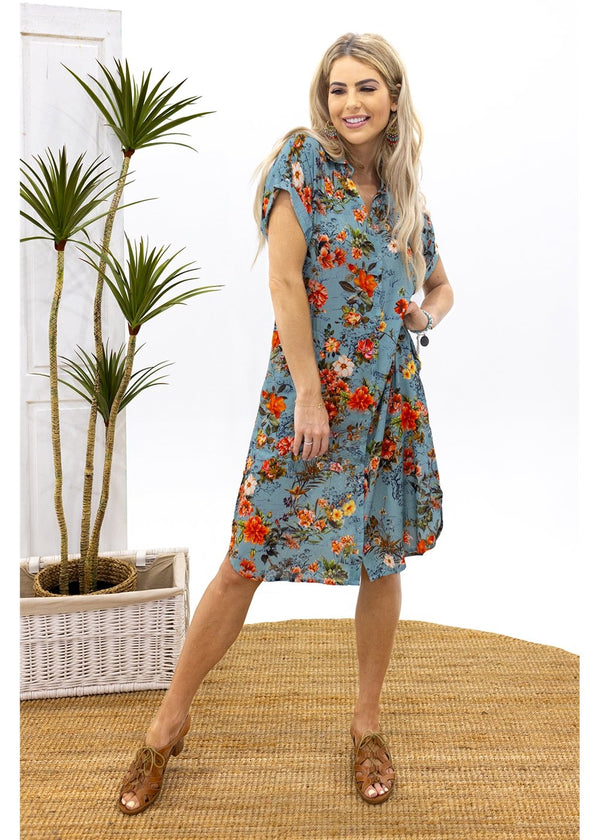
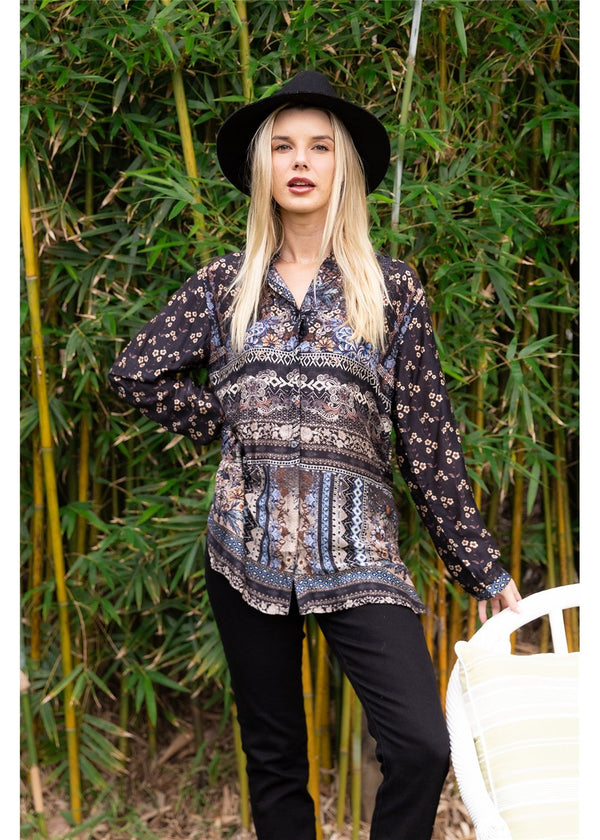
Cienna's range doesn't work that way. Sarah designs new prints each season — distinctive, original, not borrowed from trend reports. The colours run from rich jewel tones to soft terracotta and teal, from graphic contrast prints to quiet washed florals. The pieces are designed for women who have strong personal style and know what suits them, not for women who want to disappear.
The silk pieces, handmade knits, and cotton separates in the range are built for actual wardrobes: work meetings, holidays, dinners, the kind of Saturday where you want to look like yourself without having made too much effort to get there. The fact that they're made responsibly is something you should be able to say without that being the most interesting thing about wearing them.
That combination — made with care, worth wearing — is less common than it should be.
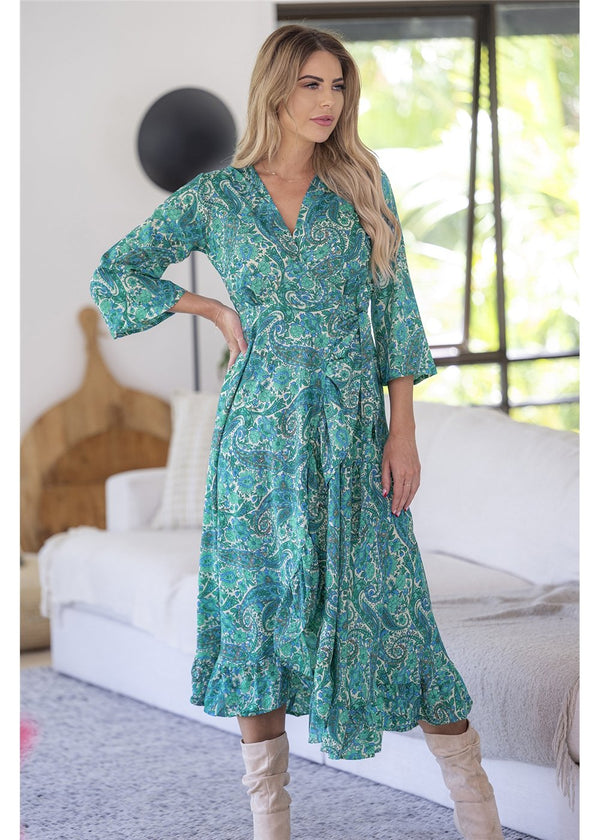
What women over 50 want from an ethical brand (and rarely get)
Sizing is one of the more honest indicators of how a brand thinks about its customers.
Many ethical and independent fashion labels size to a narrow range — to a 12 or 14, perhaps — with the implicit assumption that a smaller frame is the intended customer. For women over 50 who are a size 16, 18, or 20, this isn't a sizing gap. It's a statement about who the brand considers worth dressing. Sustainable production and exclusive sizing sit in some tension that most brands don't acknowledge.
Cienna runs inclusive sizing as a standard operating assumption, not a campaign. The full selection is available across the size range. A size 20 customer choosing between pieces has the same options as a size 10 customer. This isn't something Cienna markets particularly; it's simply how the size chart runs.
For women over 50 evaluating ethical Australian clothing brands, sizing range is a useful practical test. A brand genuinely committed to making clothes responsibly — for its production partners and for its customers — will tend to make that commitment consistently, including in who it considers worth dressing.
Cienna has been operating since 2006, with stores in Roseville and Mona Vale on Sydney's Northern Beaches, shipping across Australia, New Zealand and the US. If you're looking for a brand where the ethical claims hold up to a second look, it's a good place to start.