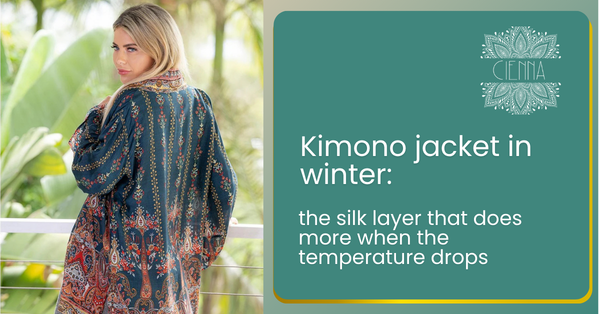

Small batch fashion Australia: the prints that don't come back
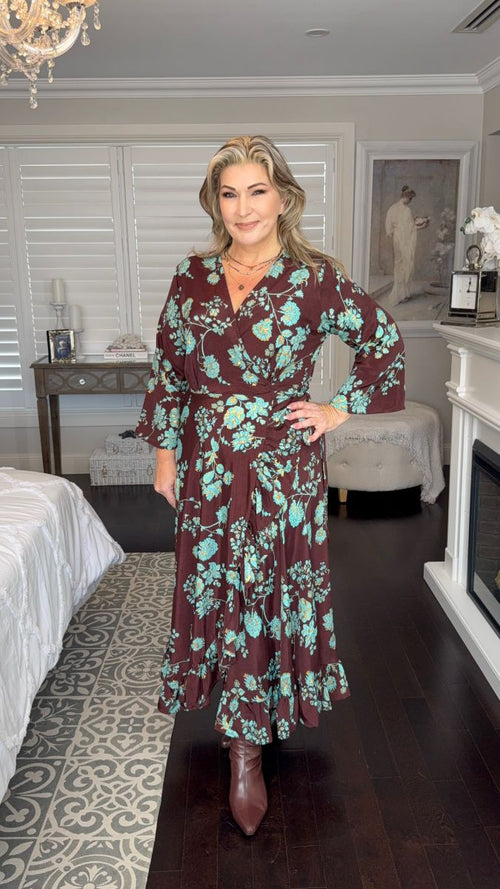
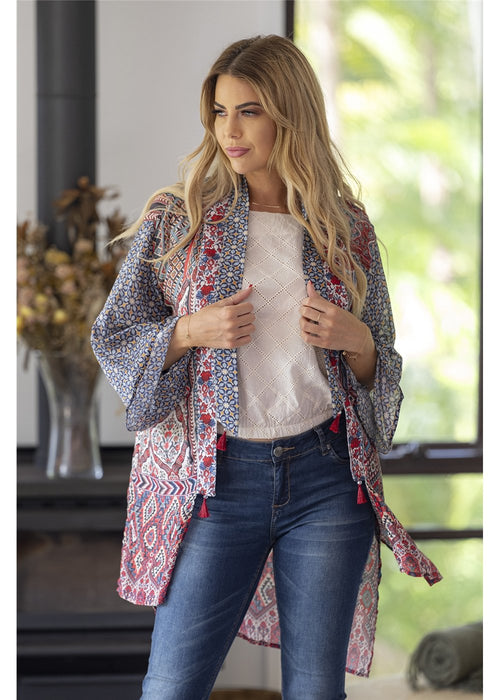
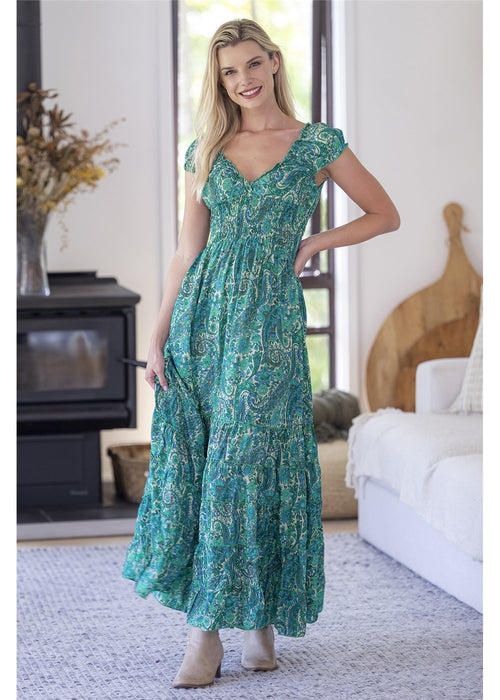
You walk into a party and someone across the room is wearing your dress. Small batch fashion in Australia exists to prevent this, because nobody should be able to replicate your vibe.
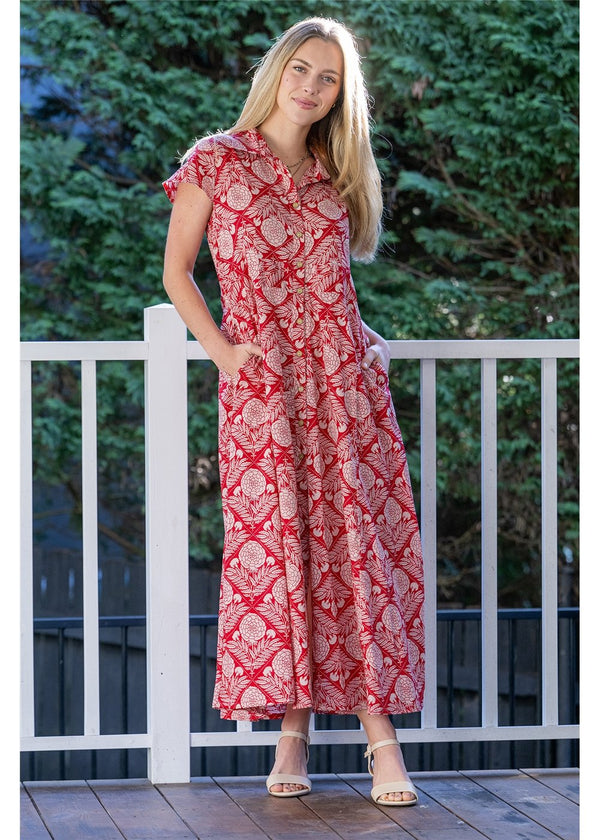
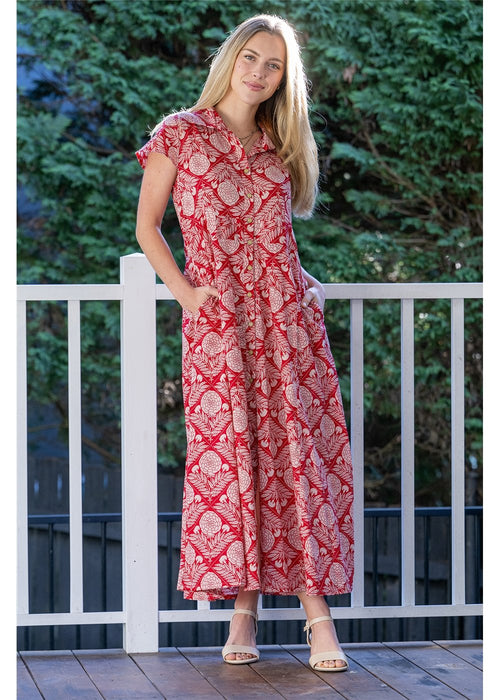
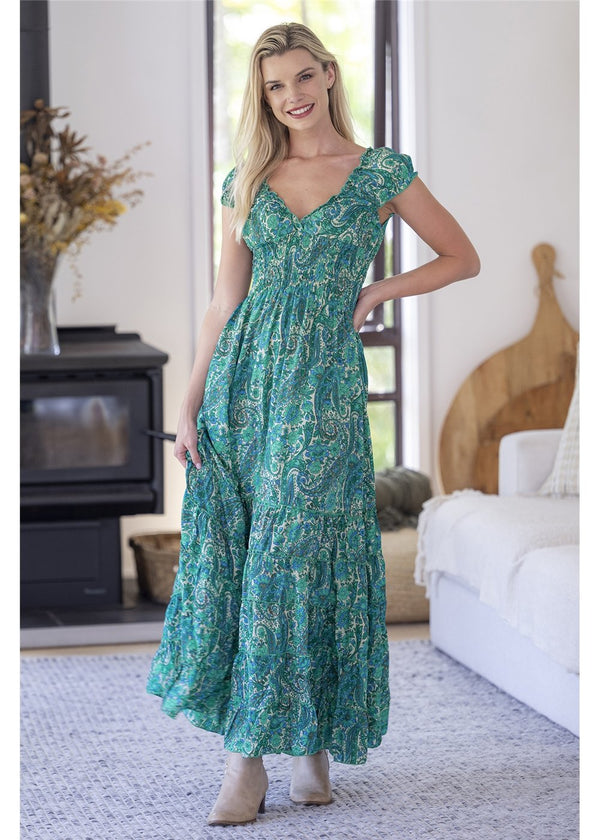
At Cienna Designs, small batch fashion is literally our DNA. The silk blend wrap dresses, kimonos and skirts are made in genuinely small runs, with prints designed fresh each season. When they sell out, they don't come back.
The print is new every season, and then it's gone
Every season Sarah Griffin designs new prints for the collection. Drawn from scratch, specific to that season — not licensed, not recoloured from a template someone else already used in another range. When a style in a particular print sells through, that's it. The production model doesn't support a reprint without commissioning a full new run, and at this scale, that's not how collections work.
Which means: if you bought a Cienna print four seasons ago, you're not walking into someone wearing the same one at dinner. That specific print, in that specific run, is gone. The exclusivity is a direct result of our creation process.
When something is genuinely limited — specific print, specific run, not available again — it sits differently in a wardrobe than a style you can reorder any season. You know what you bought and when. So does everyone who sees you in it.
Women who've been buying from Cienna for a few seasons develop an instinct for this. When they find something they love, they bring it home. If you see a print you love and leave it for ten days to think about it, there's a real chance it won't be there when you come back. Small runs sell through. They don't come back.
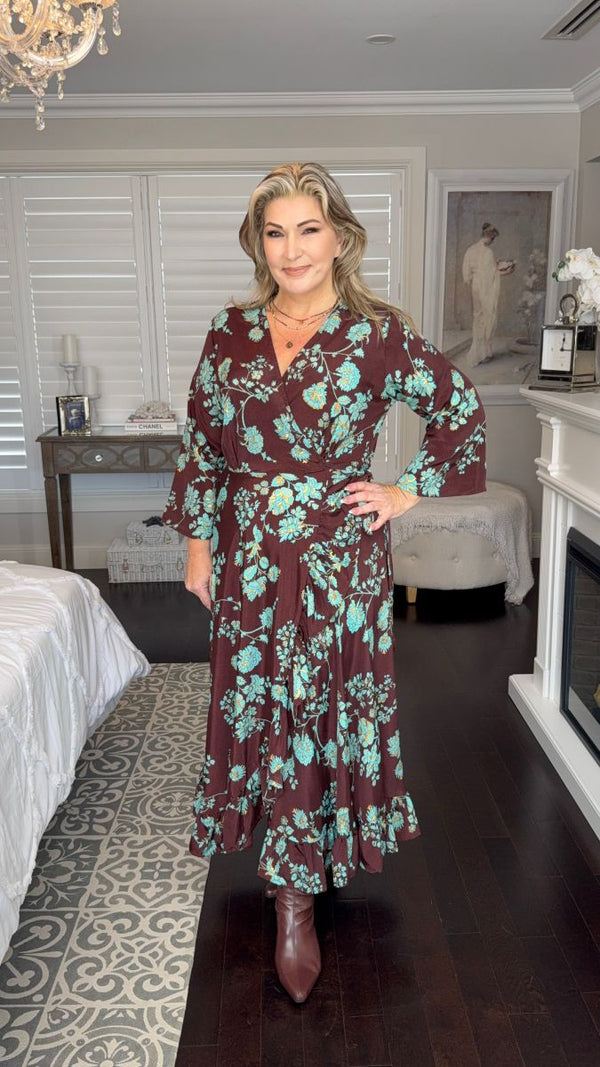
How to tell if "small batch" is real before you buy
The phrase does a lot of work in Australian fashion right now. Some of it honest.
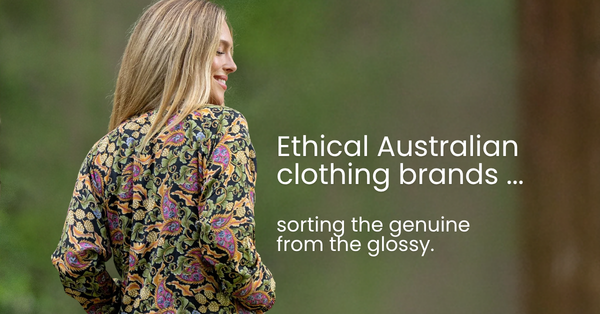
Specificity is the first signal. "Ethically made" without a country, supplier type, or relationship duration can mean almost anything. "Made by the same family workshops in India and Indonesia since 2006" is a different kind of statement — specific enough to investigate, specific enough to verify over time.
How a brand handles print availability tells you something too. Brands genuinely working in small runs don't restock sold-out prints. If something is back in the same colourway six months later, the original run was probably larger than the word "limited" suggested.
The language a brand uses about their makers also matters. A brand with a direct, long-term maker relationship has specific things to say about it — who they work with, where, how long the relationship has been running. Vague language like "ethical partners" or "trusted suppliers" usually signals something at arm's length and mediated through a sourcing agent.
The way a brand talks about stock is the fourth signal. "Won't be restocked" and "small run" only hold weight when they're accurate. At Cienna, they're accurate — and knowing a piece won't come back is part of how you decide whether to move when you find something you love.
For a deeper look at how the artisan fashion label gets used and misused across Australian brands, the Australian artisan fashion piece is worth reading alongside this one.
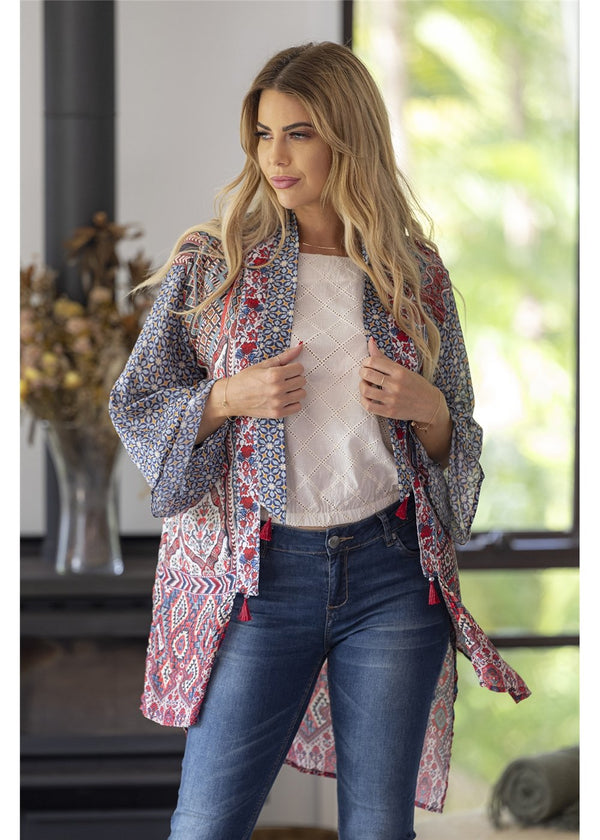
One pair of hands, one piece
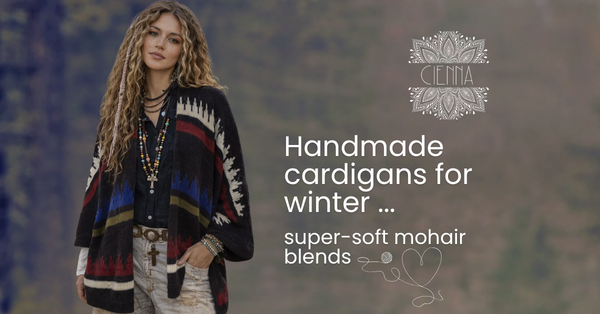
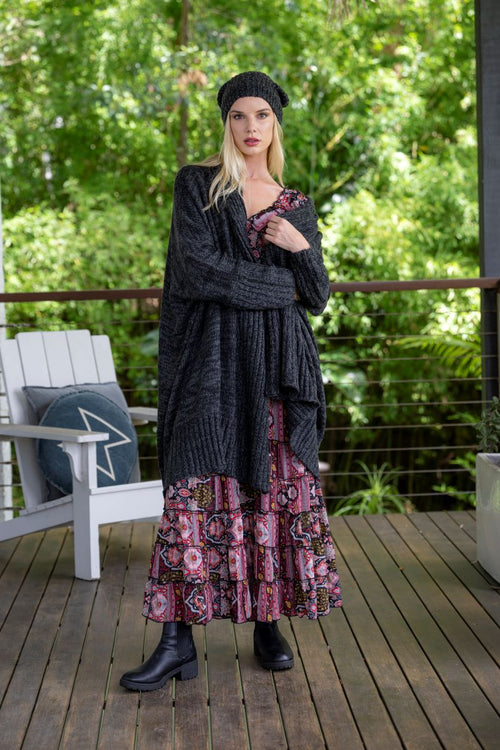
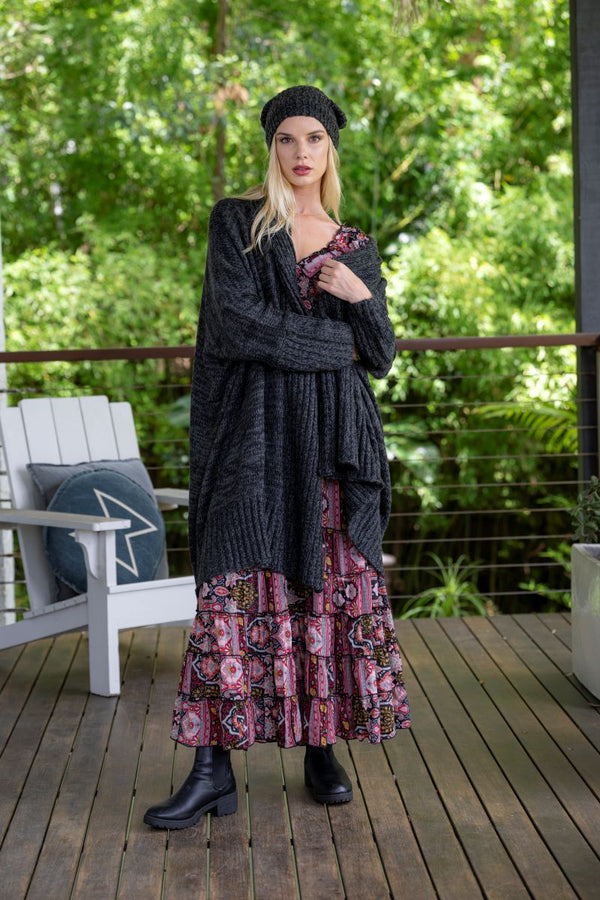
The mohair-blend cardigans, coatigans and ponchos designed by Sarah and hand-knit by women in Indonesian villages are the most literal case in the collection for what small batch means.
Each piece is made by hand. One pair of hands, one piece at a time. The slight variation between pieces — each one fractionally different from the last — is evidence of the process. That's what hand-knit work looks like, and it's exactly what it's supposed to look like.
The runs are small because there's no other way to produce them. There's no mechanism to scale that up. When a coatigan or cardigan sells through in a particular colourway, that combination is gone — next season brings a different design.
The texture and weight of these knits isn't something machine-made knitwear replicates at this price point. The mohair-acrylic blend has warmth and drape that synthetic alternatives don't. Designed in Australia for Australian winters, not adapted from generic wholesale shapes — and you can feel the difference in how they sit.
If you've been looking at a coatigan or cardigan and sitting with it: that's enough deliberation.
What owning something that doesn't come back changes
There's a version of buying clothes where you commit to nothing. You can always reorder, always find it again, nothing you own is really yours in a singular sense. It's convenient, and it produces a wardrobe that's easy to replace and easy to forget.
Genuinely small batch production works differently. When you buy a Cienna print dress, you're buying something that belongs to a specific season. Four seasons from now, that print isn't available. The women who have it, have it.
This tends to change how you shop — not in a forced sense, but in the way knowing something won't come back sharpens the decision in the moment. You're more likely to know why you love it before you buy it, and less likely to be vague about it.
It also changes how you feel about what you own. The print from two seasons ago has a name in your wardrobe. You remember when you bought it and what you wore it to first. That's a different relationship with a piece of clothing than one that can be reordered in a different colourway whenever you feel like it.
Women who build wardrobes this way tend to end up with fewer things, and fewer things they don't actually wear. The specificity of limited prints — knowing there was a season for this, and that season is past — has a way of sorting the genuine likes from the maybes.
The production model behind the wardrobe
Small batch fashion in Australia has been part of the conversation around buying less, better, for years. Some brands have been working this way since before there was a name for it.
At Cienna, the silk blend pieces are made by the same family workshops in India that have been making Cienna's designs since the early years of the business. The handmade knits are made by women in Indonesian villages who've been making Cienna's knitwear for over twenty years. The production model hasn't changed because it's been working.
The practical result for your wardrobe: things you chose deliberately, in prints that aren't available elsewhere, from runs that are genuinely small. That specific season: yours.