
Kimono jacket in winter: the silk layer that does more when the temperature drops
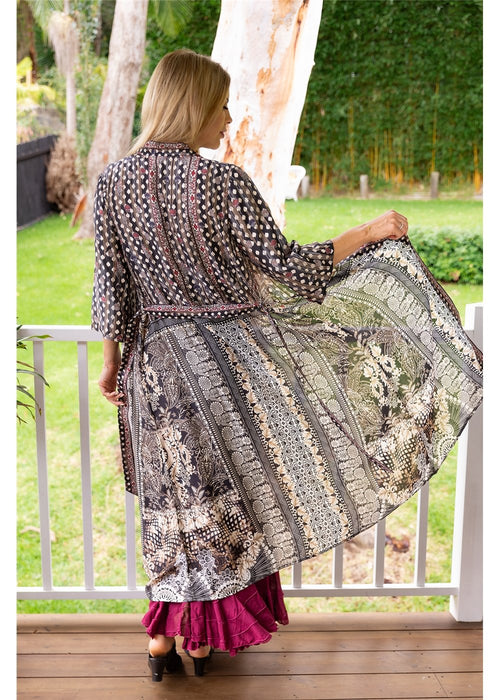
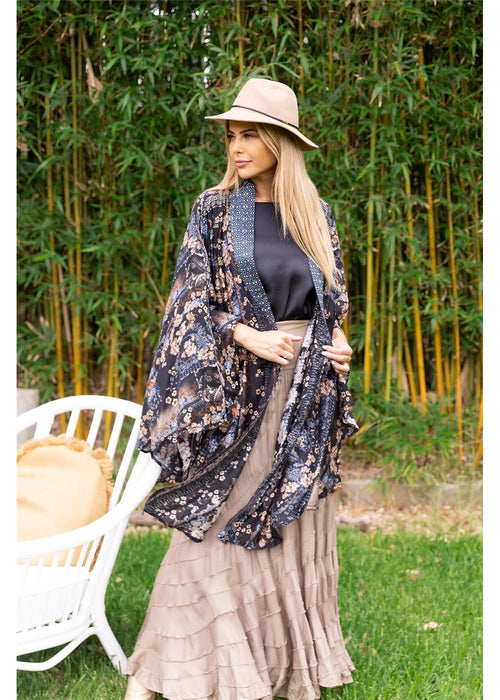
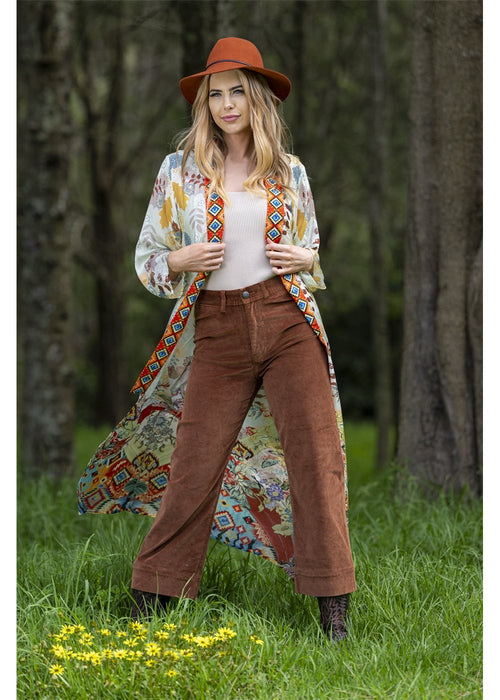
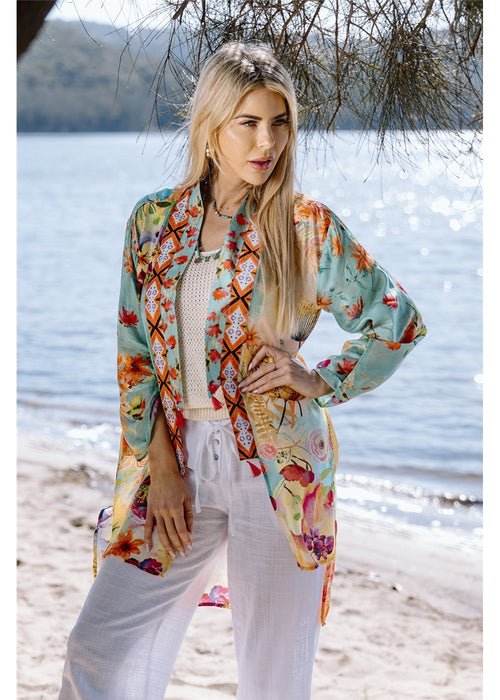
You wore it twice in March and put it away when May arrived, filed in the back of the wardrobe next to the linen dresses. A kimono jacket is not a warm-weather piece. It's a layering piece, which means Australian winter is exactly where it starts to make sense.
We've been designing kimono jackets at Cienna since 2006, long before they became the thing every boutique window wants — and the women who get the most from them are the ones who stopped treating them as seasonal.
The silk kimono jacket and cold weather — an honest account
The silk blend Cienna uses is not an insulating fabric. It won't keep you warm the way a wool coat does. On a genuinely cold Melbourne evening or a Canberra July morning, you'll want something with real weight underneath — the kimono sits over the top and adds the polish.
But most Australian winters aren't genuinely cold. Most of them are 12-degree mornings with sun by eleven — a coastal breeze before dinner and an office that runs colder than the street all day. For that version of winter — which describes most of eastern Australia from May through August — a kimono jacket is a sensible choice.
What silk blend does well is drape. It falls cleanly over whatever you have underneath, adds no bulk, and sits against the body in a way that looks considered. It's a finishing piece, not a thermal one. When you understand that distinction, the winter wardrobe question becomes simpler: put the warmth underneath, put the kimono over the top.
How to layer it so it works
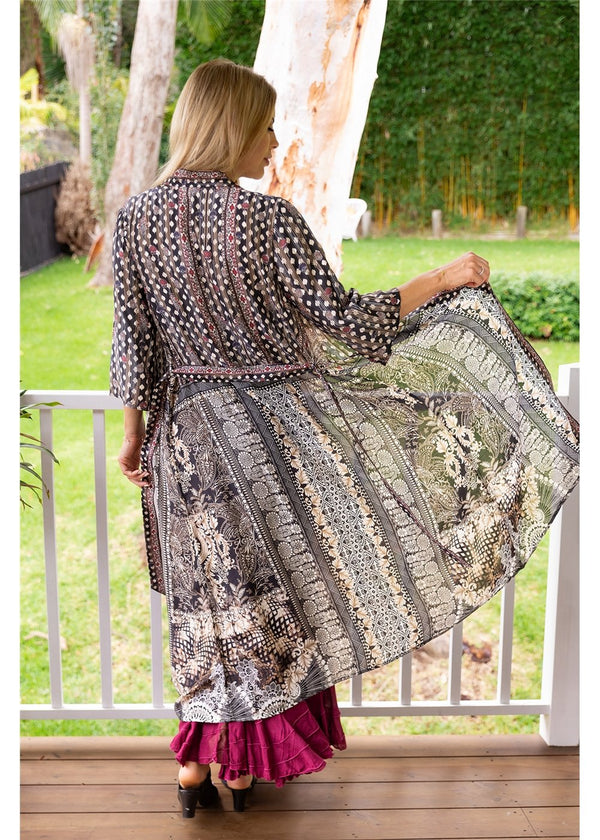
The formula is straightforward. Something warm underneath — a fine turtleneck, a long-sleeve in merino or cotton-modal, a fitted ribbed knit top — and the kimono sitting over as the style layer. Don't ask it to do the warmth job. That's not what it's for.
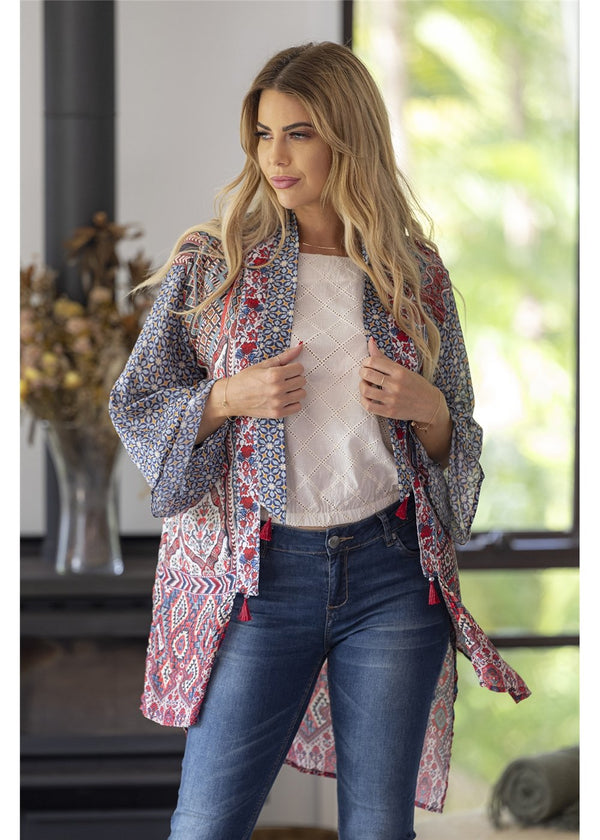
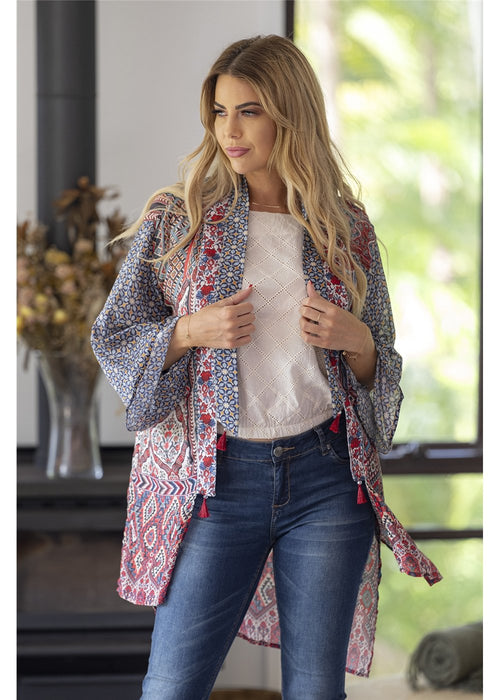
This matters more in winter than in any other season because winter is when a kimono jacket looks most considered. Silk over denim, over fitted trousers, over a good long-sleeve — the contrast between the draped outer piece and the more structured base underneath is what makes an outfit look assembled rather than thrown on.
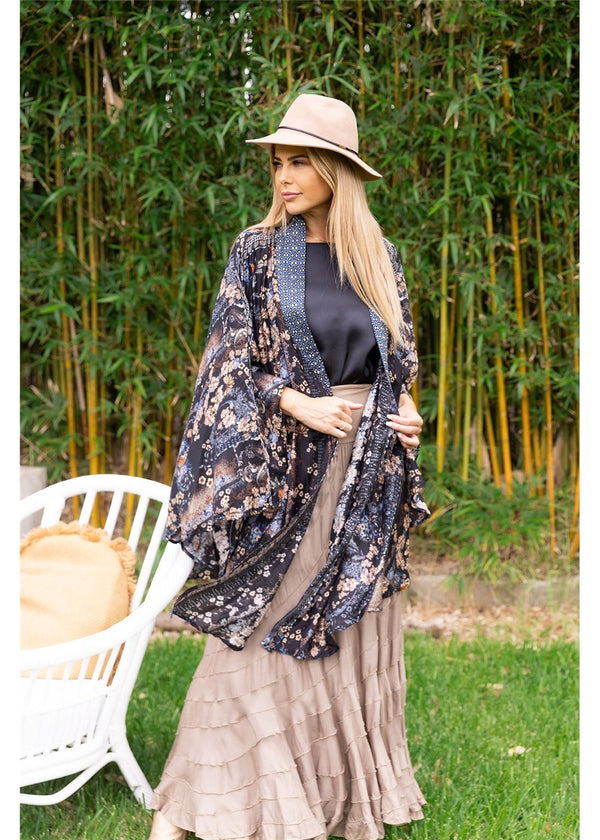
The underneath layer matters more than people expect. A turtleneck in a neutral — cream, oatmeal, camel — reads well under a printed kimono without competing. A slim fitted top in a dark tone gives a colourful kimono somewhere to land. The base layer's job is to support, not assert.
Deeper colourways tend to translate better into winter without the outfit looking confused. Rich teal, terracotta, deep prints in burgundy or navy — these sit comfortably against the season. Lighter and more summery prints still work if you're wearing the piece indoors or at a warm dinner, but for outdoor movement when it's properly cold, the darker tones hold more authority.
When it genuinely doesn't work
A kimono jacket over a thin camisole in 8-degree weather is optimistic, not styled. If you're standing at an outdoor event in a real southerly, or waiting in a carpark in a Canberra June, you'll be cold. The piece wasn't designed for that, and no layering technique fixes a genuinely inadequate base.
What it handles well is the transition between warm indoors and cool outdoors. Dinner that spills into a walk along the waterfront. An evening function where you know you'll be inside from 6:30 with twelve minutes on the pavement at most. These are the moments where a kimono jacket beats most coats — it reads better inside and holds its own in the version of outside most of us encounter in Australian winter. That's a more useful range than it sounds.
Putting it together: what works at different points in the day
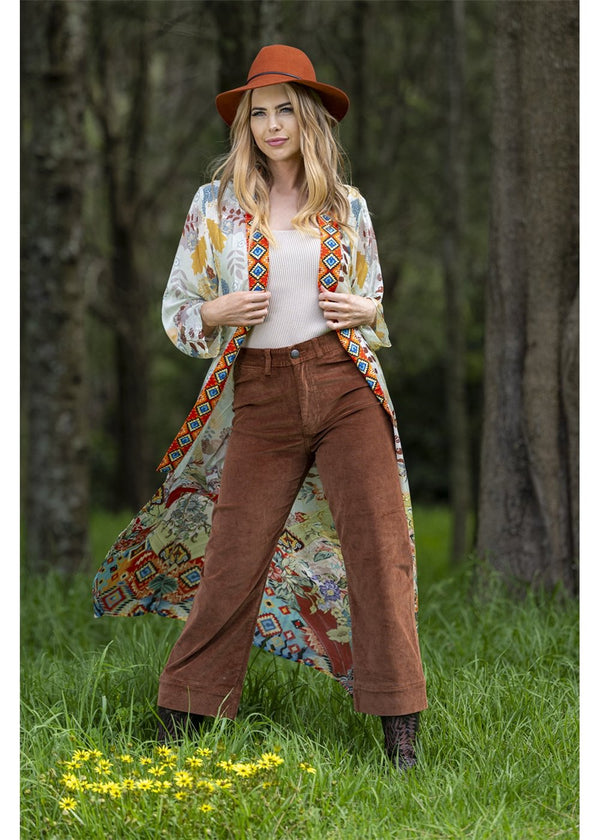
Morning meeting: a fine merino turtleneck in cream or oatmeal, dark slim trousers, ankle boots, kimono jacket over the top. The turtleneck does the thermal work; the kimono makes the outfit look complete. This combination works in most office environments and photographs well, which matters when the meeting involves a camera or a client you want to impress.
Dinner is where the silk blend does its most visible work. Start with a long-sleeve fitted top and your best trousers or a midi skirt, add heeled boots, then put the kimono over the top. The drape of the silk catches light in a way that reads dressier than it looks — useful when you want to look like you made an effort without spending an extra hour working out what to wear.
For the weekend, dark jeans, a fitted long-sleeve, and flat boots or good sneakers underneath the kimono. The casual base grounds it without making the outfit look like it can't decide what it wants to be. The kimono reads as a considered choice, not a mistake.
If you worked out the autumn formula earlier this year — the five outfit combinations we covered in April — most of those translate directly to winter with one adjustment: swap the lighter base for something that does more thermal work. The kimono stays the same. The underneath layer is doing a different job.
What's in the range right now
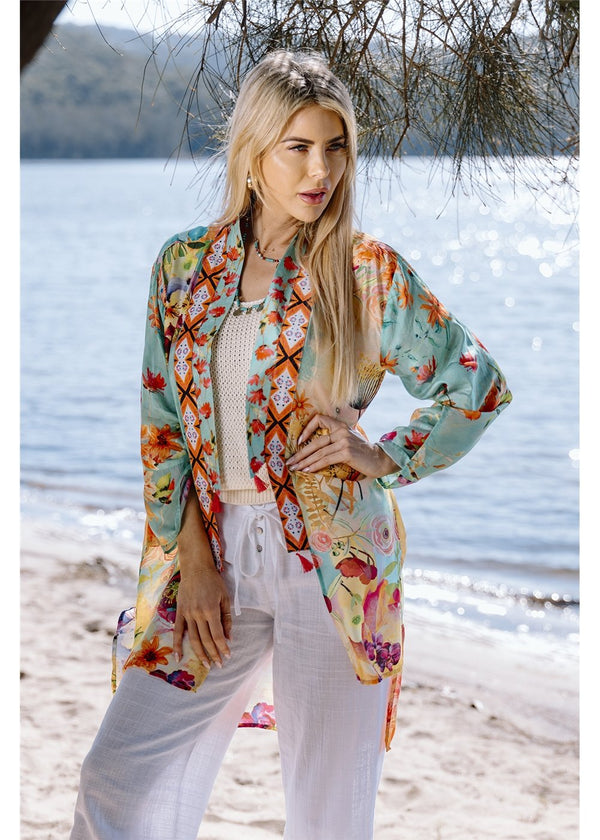
Our kimono jacket collection is updated each season, and the current selection includes pieces in colourways that work well through the cooler months. Each one is made through the same family workshops in India we've worked with for over twenty years — small runs, original prints, designed by Sarah in Australia.
These pieces don't get restocked once they sell. The runs are small by design. If there's a print you keep returning to on the website, that's usually a sign.
One practical note for winter specifically: because silk blend doesn't insulate, what you wear under the kimono shapes the outcome more than the jacket itself. A proper base layer in merino or a good cotton-modal blend does the job cleanly and without bulk. The kimono sits over the top and does what it does best — making everything underneath look like it was put together with some thought.
Winter is not the season to put your kimono jacket away. It's the season where you find out what it can do when it's not carrying the whole outfit on its own.